
Garden Edging, Curbs and Benches: The Finishing Touches That Last
Why edging is worth doing
A tidy edge is the difference between a garden that looks planned and one that looks unfinished. Concrete edging keeps soil, mulch and gravel where they belong, stops lawn creeping into flower beds and gives your mower a clean line to follow. Unlike timber, it does not rot, and unlike plastic, it does not fade or lift.
Choose the right product
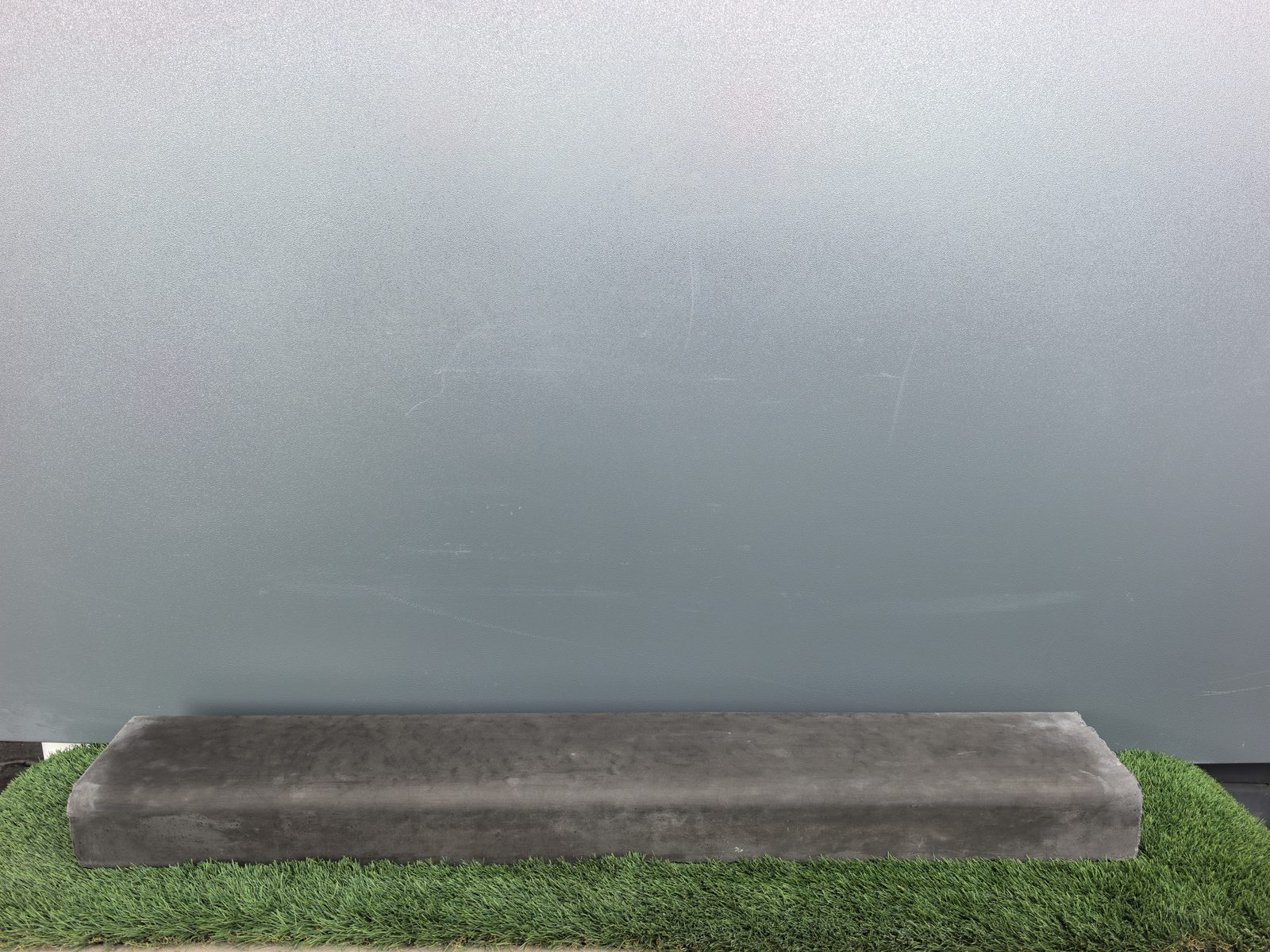
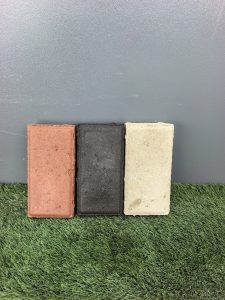
- E1 garden edging is a low-profile edge for flower beds, paths and lawn borders, available in a range of colours.
- BK2 and E3 road curbs are the heavier-duty option for driveways, parking areas and road edges.
- Retainer blocks hold back soil on gentle slopes and make simple raised beds.
Browse the road and garden curbs range for current prices.
Laying edging in four steps
- Mark your line with string or a garden hose to get a smooth curve.
- Dig a shallow trench so that the edging sits firmly and level.
- Bed the units in a little sand and cement, check the level and tap into place.
- Backfill both sides and compact the soil.
Add somewhere to sit
Concrete garden furniture is built to be left outside all year. Round and rectangular tables, two, three and four seater benches and half-moon benches all stand up to sun, rain and braai season without maintenance. They also make a lovely focal point at the end of a path or beside a pool.
Have a look at our garden tables and benches.
Add height and definition with bollards
Concrete bollards are practical and decorative. Use them to mark the edge of a driveway, protect a wall corner or frame an entrance. See the bollards range.
Need a hand planning?
Tell us the length of edging you need, the area you are working on and the style you are going for, and we will help you pick the right products.




Add comment