
Building Sand, Plaster Sand or Stone? Choosing the Right Material for the Job
Why the right material matters
Using the wrong sand can leave you with cracked plaster, weak mortar or an uneven finish. The good news is that the choice is simple once you know what each material is for.
Building sand
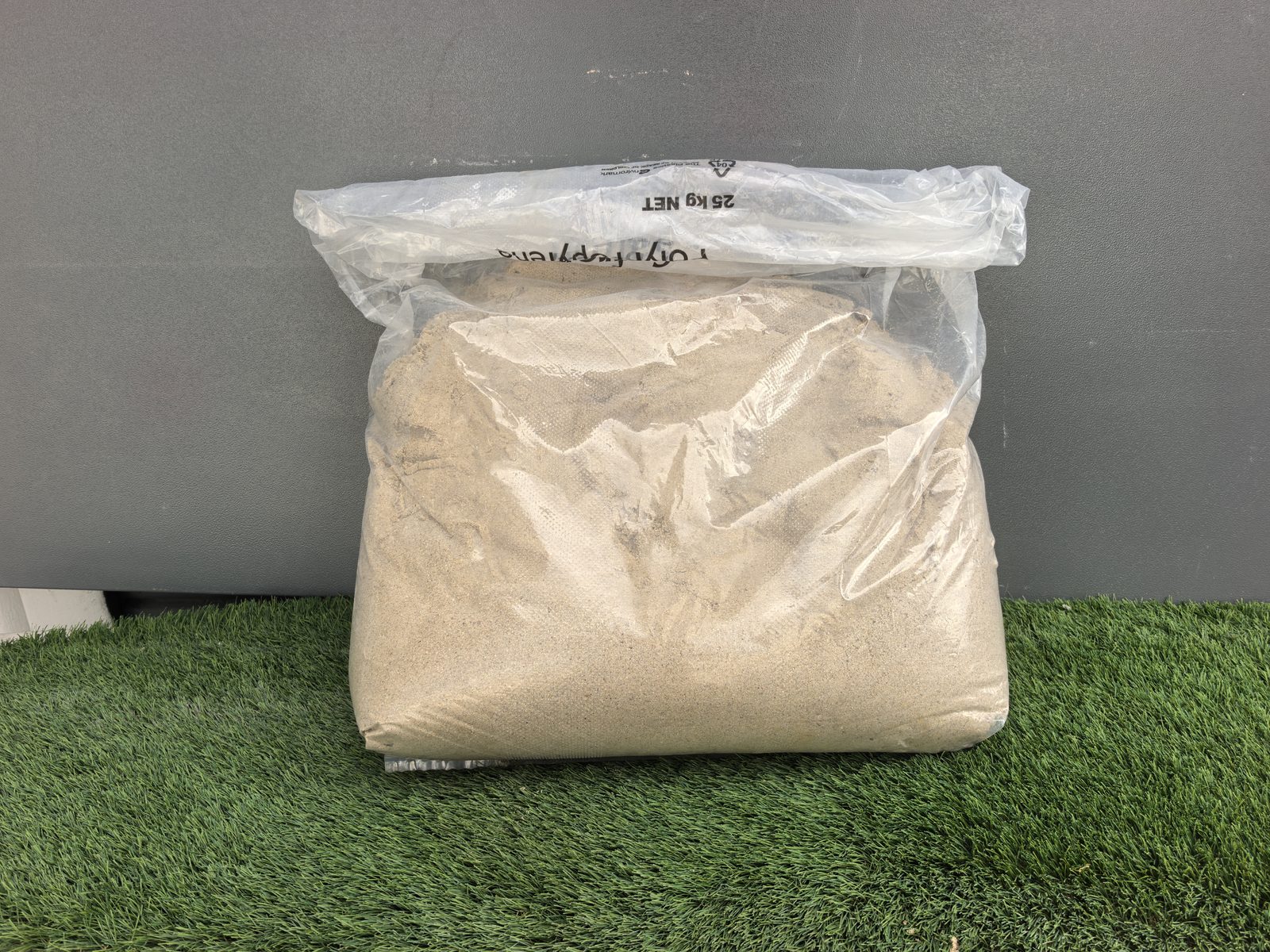
Building sand is a coarser sand used for bricklaying mortar, screeds and concrete mixes. The larger grains give strength and bulk. If you are laying blocks or bricks, this is the sand you want.
Plaster sand
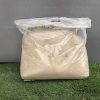
Plaster sand is finer. The smaller particles produce a smooth, workable mix that spreads evenly on walls and is easier to finish with a float. Use it for plastering and rendering rather than for structural mixes.
Malmesbury sand
Malmesbury sand is a well-known Western Cape sand valued for its consistent quality. Many builders choose it for mortar and plaster; ask us if you are unsure which suits your project.
Stone
Crushed stone is the aggregate that gives concrete its strength.
- 13mm stone is the common choice for concrete slabs, footings and beams.
- 6mm stone is a finer stone suited to thinner sections and finer work.
- Brown stone is often used for decorative finishes, driveways and garden beds.
Cement: 32.5 or 42.5?
PPC cement is sold in strength classes. 32.5 is a good general-purpose choice for mortar and plaster. 42.5 gains strength faster and is typically chosen for structural concrete and where higher strength is required. If your plans specify a strength, follow them.
Bags or a bakkie load?
For small repairs and weekend projects, bagged sand and stone are easy to carry and store. For bigger jobs, a delivered bakkie load works out better value per cubic metre and saves a lot of lifting. Browse the sand, stone and cement range to compare.
Storage tips
- Keep cement dry and off the ground; use it within a few weeks of buying.
- Cover sand and stone piles so rain does not wash the fines away.
- Keep different sands apart so they do not mix.
Not sure what you need? Tell us what you are building and we will point you in the right direction.




Add comment